Call Us
+91 9767880358
ENQUIRY NOW
Seal faces in a mechanical seal are the primary sealing surfaces-usually a rotating face and a stationary face-that prevent fluid leakage by maintaining close contact. These faces are made from materials like carbon, silicon carbide, tungsten carbide, or ceramic, chosen for wear resistance, chemical compatibility, and operating conditions.
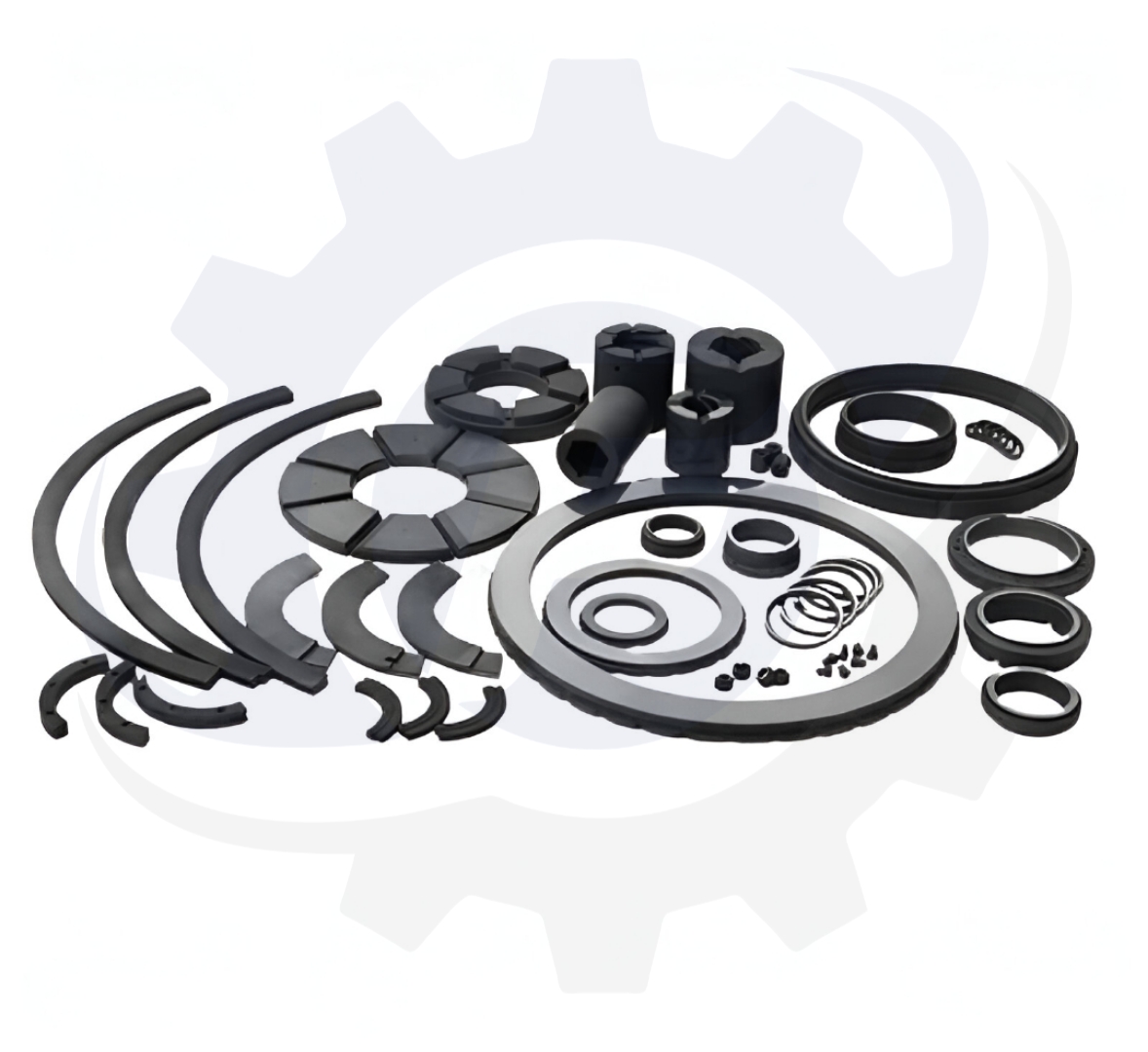
Falcon Sealing Technology's carbon graphite seal faces are self-lubricating and provide excellent wear resistance, ensuring long life and reliable performance in mechanical seals. They are also chemically inert and have a low coefficient of friction, which minimizes heat generation.
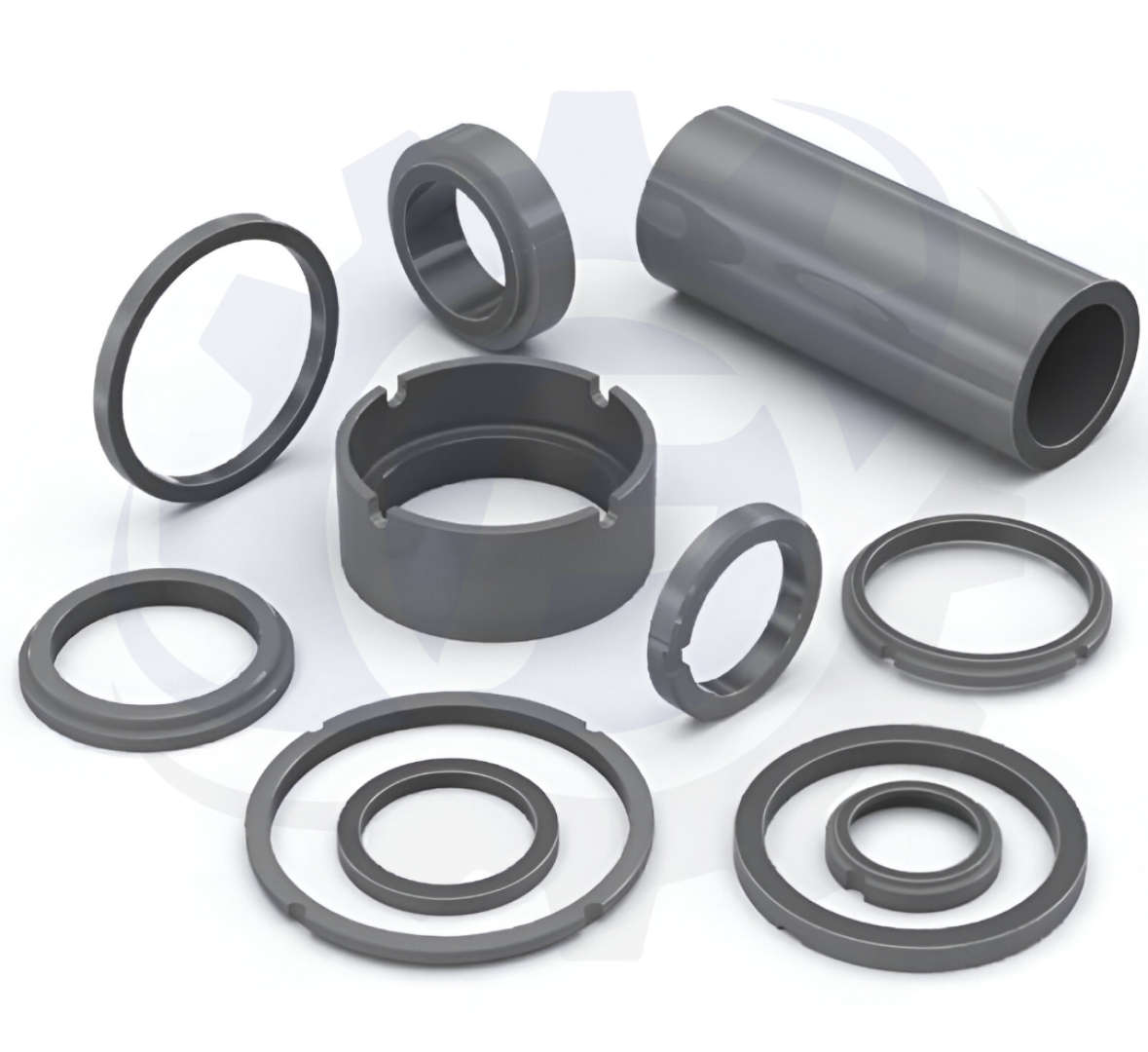
Silicon carbide is an excellent material for mechanical seal faces due to its exceptional hardness, providing superior wear resistance. Its high thermal conductivity allows it to dissipate heat efficiently, preventing damage from friction. It also has great corrosion resistance, making it suitable for a wide range of chemical applications.
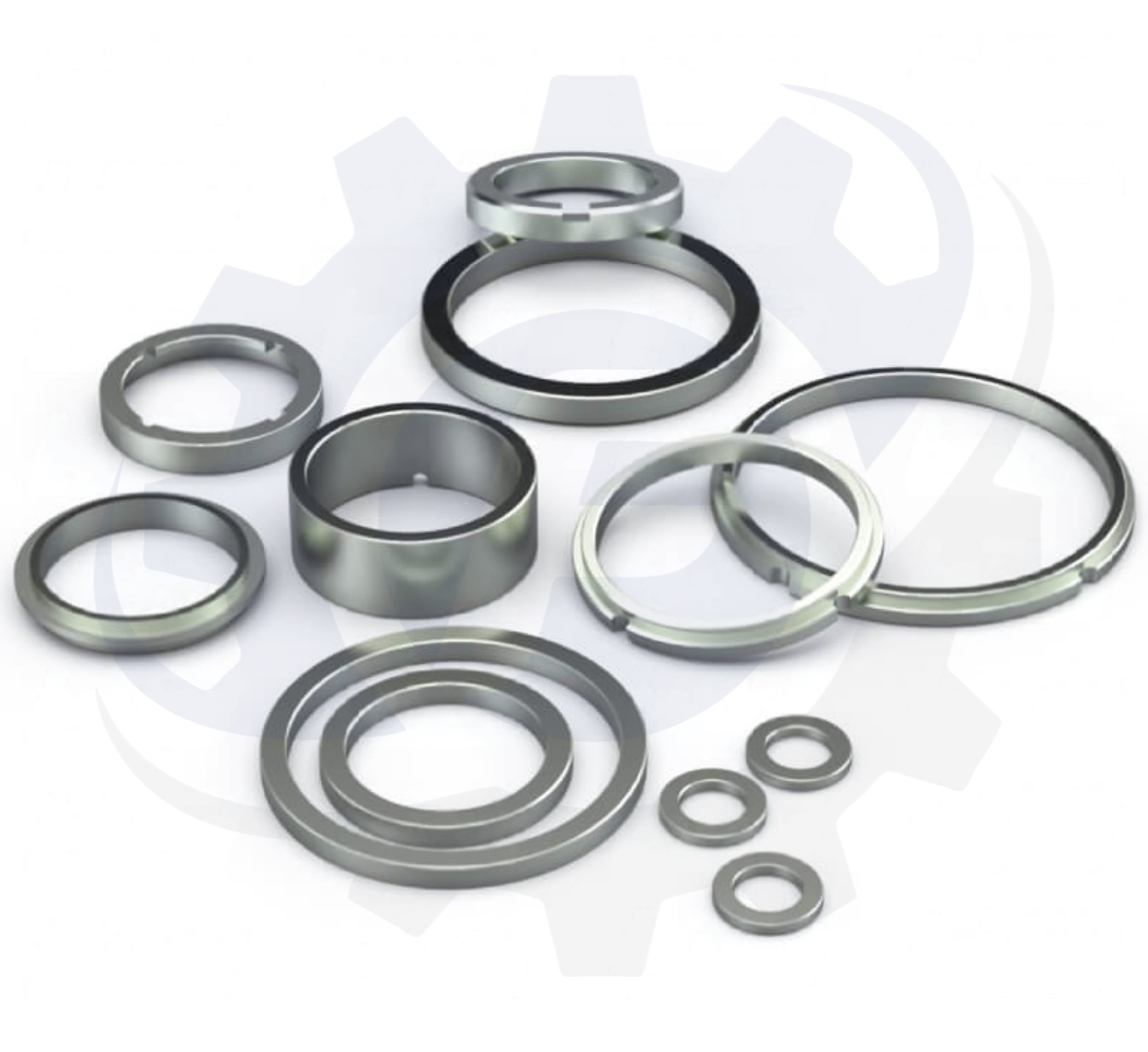
Tungsten carbide is an excellent material for mechanical seal faces due to its exceptional hardness and high wear resistance. It provides superior performance in demanding applications involving abrasive media and high pressures, offering a long service life and reliable sealing. Additionally, it has a high modulus of elasticity and is resistant to corrosion.
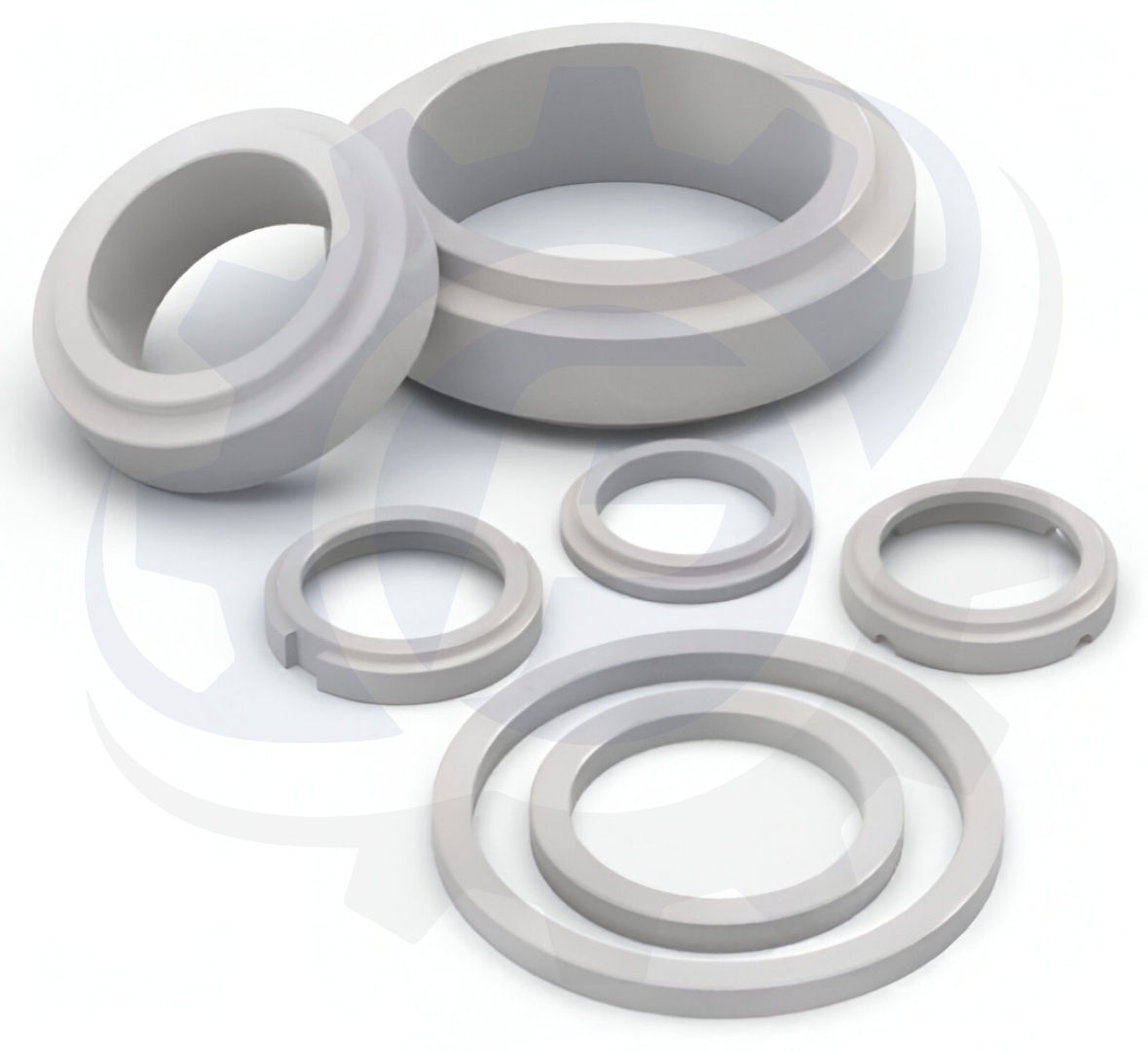
Ceramic materials for mechanical seal faces are favored due to their exceptional hardness and corrosion resistance, which provides great wear life and stability in harsh environments. Their low thermal expansion also helps to maintain seal integrity under varying temperature conditions.
We are Dealing in following Brands of Pump Spares I.E. Kirloskar, KSB, Beacon, Johnson & Mather & Platt Pumps.
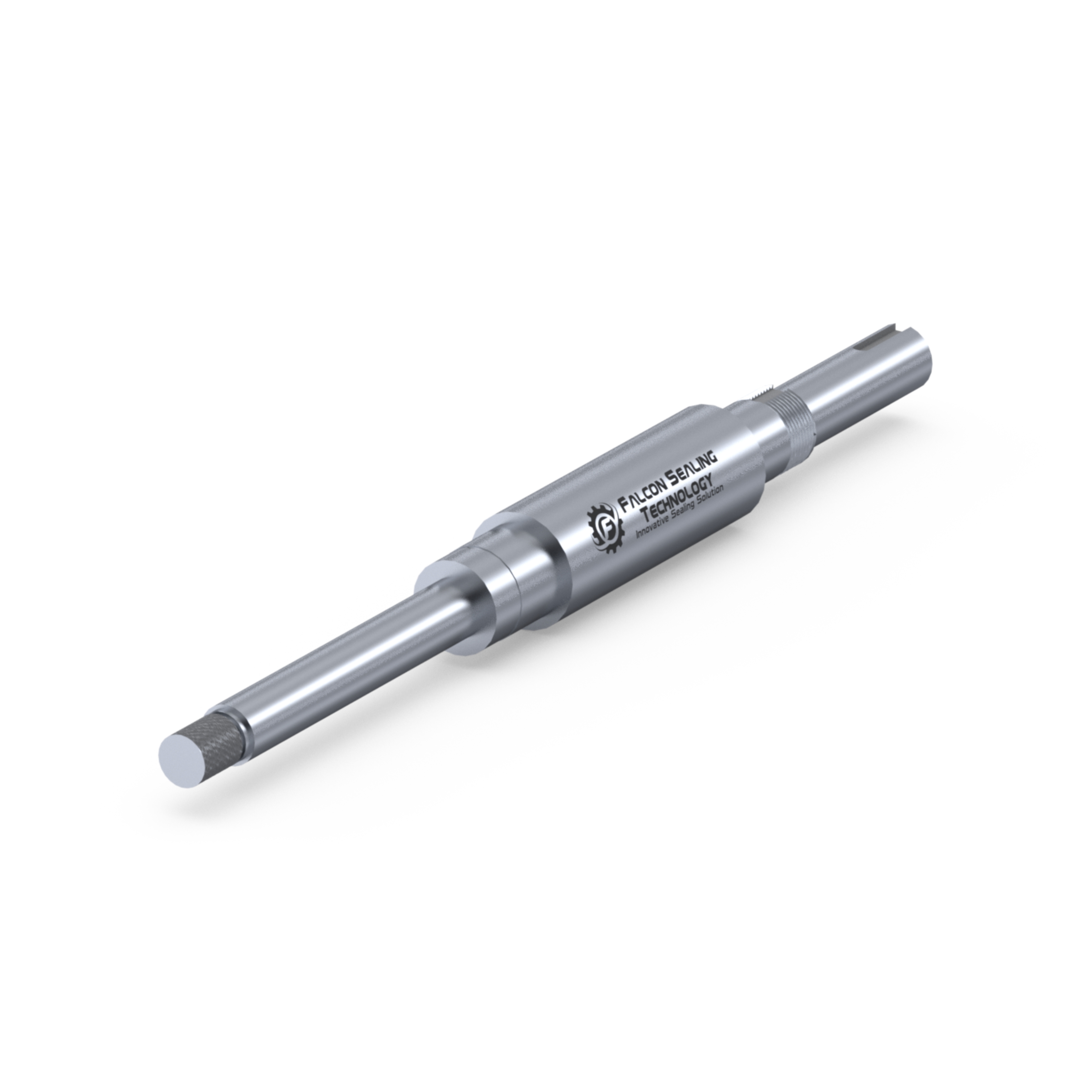
Pump shafts are rotating mechanical components of a pump that transmit power from the motor to the impeller. They are typically made of precision machined steel and can be subjected to high stress and vibration levels.
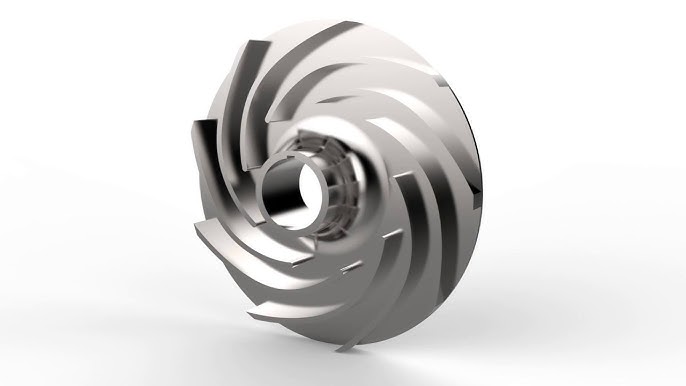
An impeller is a rotating component of a centrifugal pump that accelerates fluid outward from the center of rotation, thus transferring energy from the motor that drives the pump to the fluid being pumped.
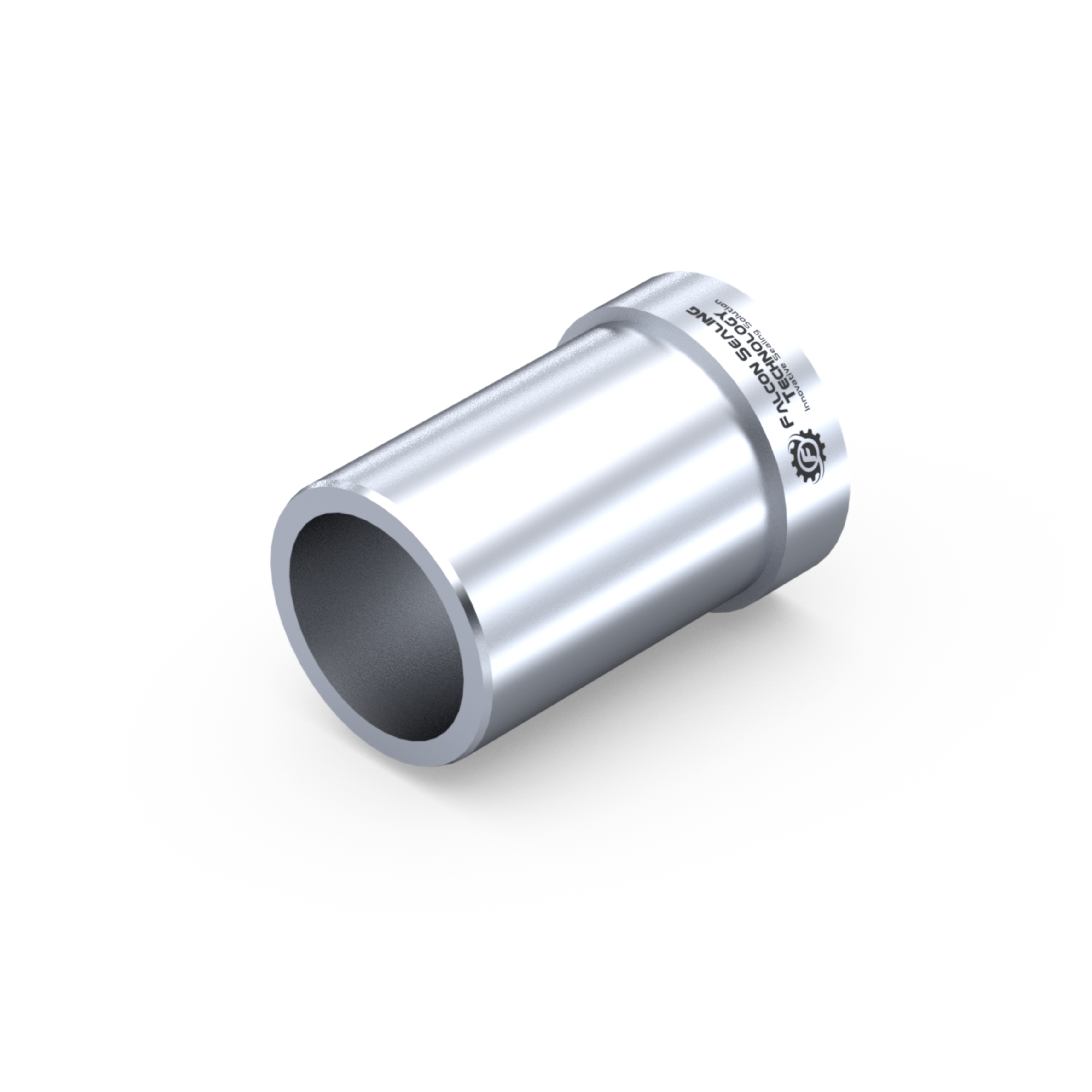
A shaft sleeve refers to a hollow metal tube that has a cylinder-like shape. It is mounted over a shaft and shaft assembly. Such mounting is done so that it can be protected against any erosion or corrosion that is likely to occur in the due course of action.
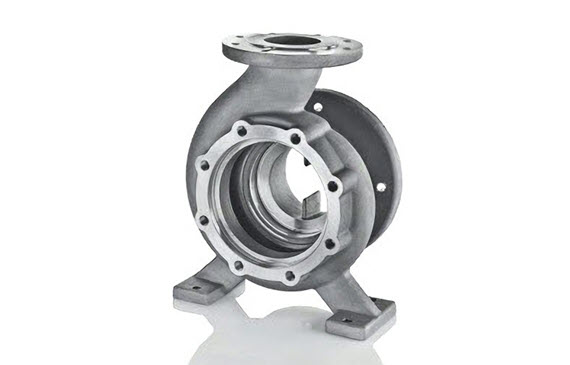
The pump casing refers to the outside shell of the pump. It has to seal off the inside of the unit to the outside with respect to pressure and fluids. The structure of the casing differs depending on the type of pump.
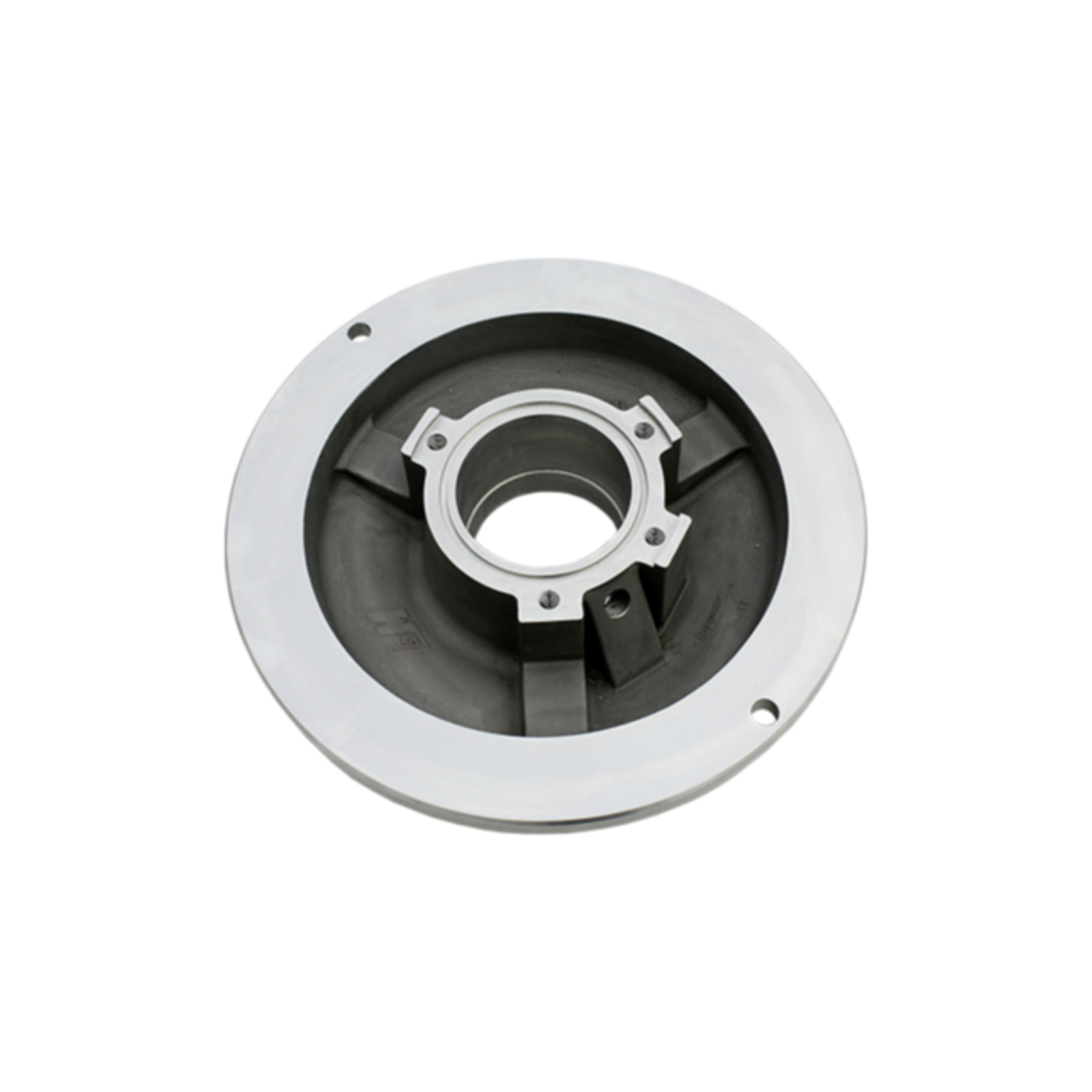
A stuffing box of a pump houses a gland that compresses the packing used to seal the pumped fluid. It prevents leakage along the shaft that passes through a hole in the pump. Stuffing box reliability is critical to the condition and performance of the whole fluid sealing program.
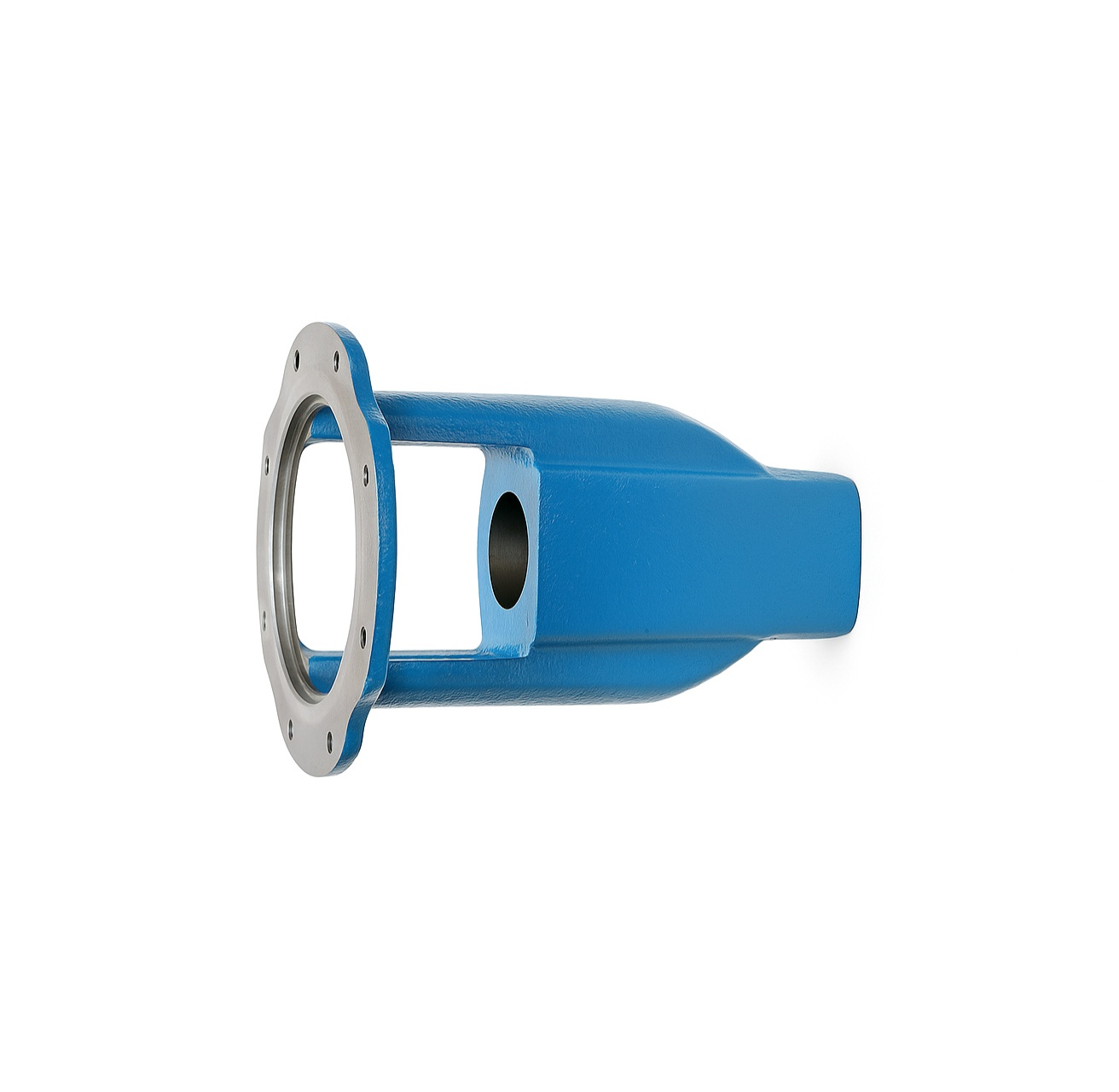
A bearing housing is a pump component into which the bearings are mounted.
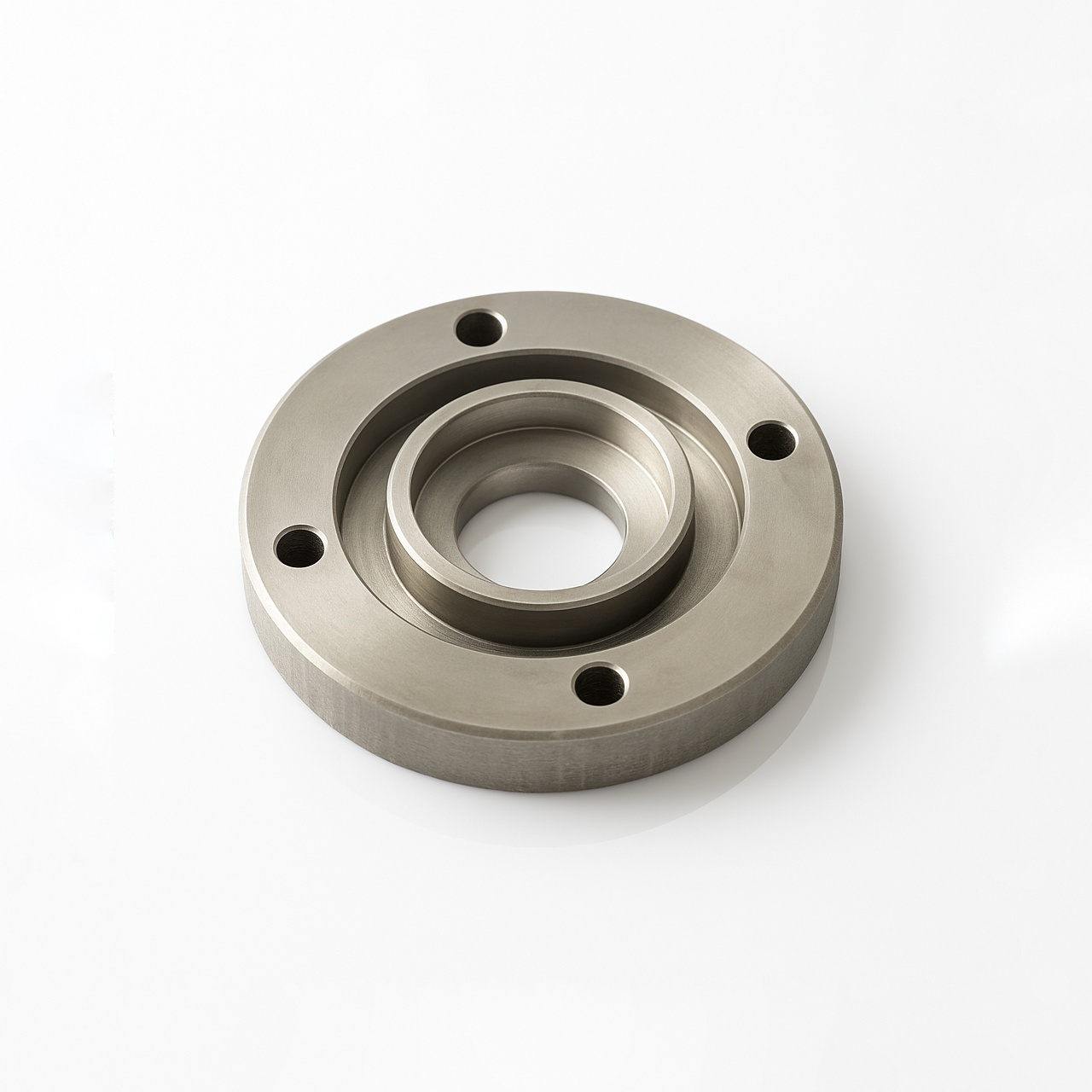
The pump bearings support the hydraulic loads imposed on the impeller, the mass of impeller and shaft, and the loads due to the shaft coupling or belt drive.
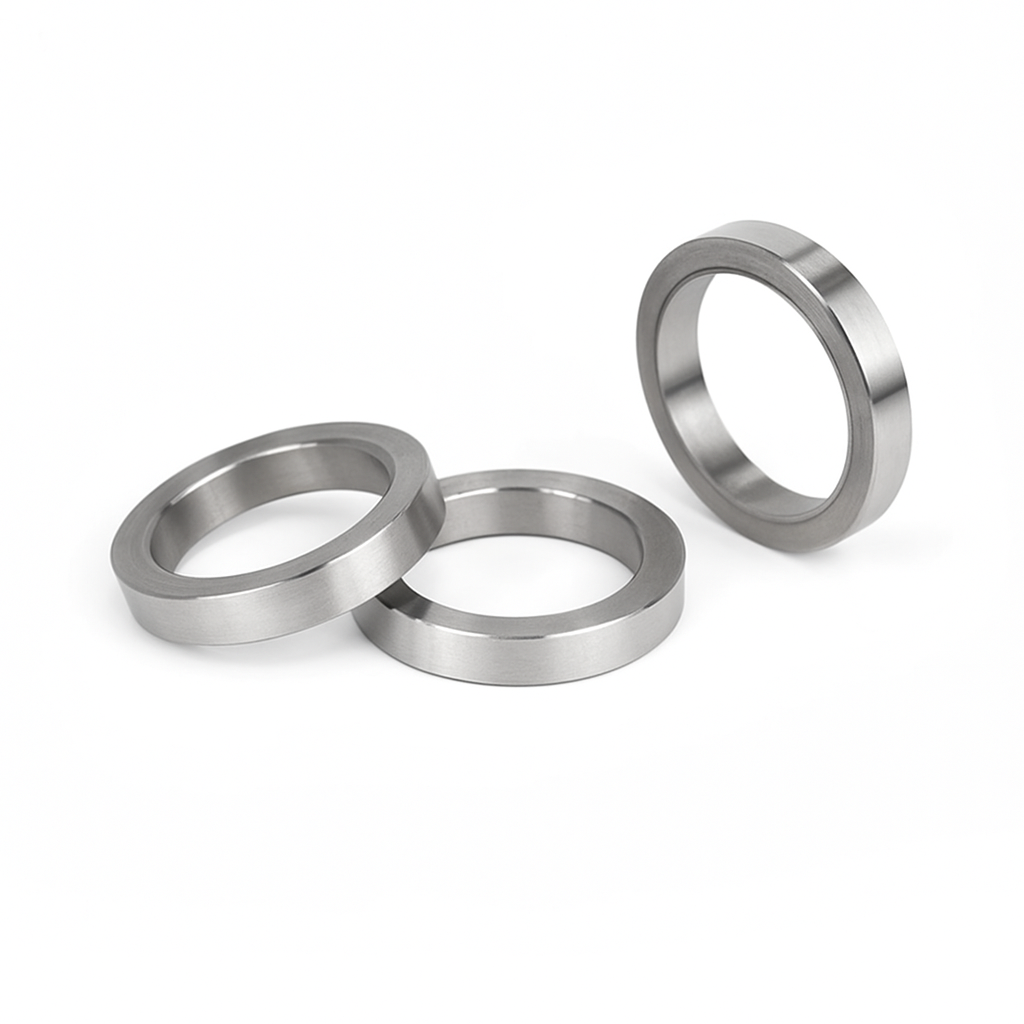
Pump wear rings are the contact zone between rotating and stationary parts. During start-up, shut down, and off-design operation, the rotating and stationary rings come into contact
Partner with Falcon Sealing Technology for consistent quality, tight tolerances, and reliable performance – every time.
OR
CALL US NOW
+91 97678 80358
Trusted by professionals worldwide – read what our customers have to say.

Excellent detailing and machining accuracy on VMC jobs. Perfect for our aerospace-grade applications.
We’ve been sourcing CNC components from them for months. The quality and reliability are top-notch.
Excellent detailing and machining accuracy on VMC jobs. Perfect for our aerospace-grade applications.
Every VMC milled part fits perfectly. Great surface finish and always delivered on time.
Excellent detailing and machining accuracy on VMC jobs. Perfect for our aerospace-grade applications.